INSTITUTIONAL COLLABORATION
History held in trust deserves more than preservation.
For institutions holding valuable material whose significance, relationships, or responsible public use are not yet fully represented.
Amy works across records, relationships, place, institutional memory, family memory, and inherited narratives to identify overlooked value and translate it into clearer interpretation, stewardship, positioning, and usable assets.
Before publication, preservation, public-facing claims, or larger commitments move forward, she clarifies what is established, what remains uncertain, and what information would materially change the decision.
THE WORK HELPS CLARIFY
Significance
Why a collection, record set, place, or relationship system matters.
Interpretation
What can be responsibly concluded before public-facing history is built around it.
Stewardship
What should be preserved, communicated, investigated, or carried forward next.
WHEN THE RECORDS EXIST
The record exists, but its greater significance is not yet represented.
Some questions do not need more information. They need disciplined discernment.
Institutions do not only preserve the past. They hold knowledge in public trust, helping communities understand what can be responsibly remembered, claimed, interpreted, and carried forward.
Context
Place records within the institutional, social, legal, cultural, and historical systems that produced them.
Relationships
Clarify how people, places, archives, institutions, and inherited narratives connect without flattening their differences.
Stewardship
Translate clarified history into more responsible preservation, interpretation, communication, and decision-making.
COLLABORATIVE FIT
Institutions and projects.
This work is best suited to institutions and complex projects where the material exists, but no single collection, discipline, or inherited frame yet explains its significance, relationships, or responsible public use.
Archives, libraries, and special collections
Museums and historical societies
Universities and research partners
Documentary, exhibition, and public-history projects
Foundations, family offices, and stewardship-driven cultural initiatives
Place-based historical interpretation requiring stronger evidentiary grounding
OVERLOOKED VALUE
Identify overlooked value. Make it usable.
Amy surfaces value already carried in founder philosophy, institutional knowledge, family memory, place, historical relationships, and community meaning, then translates it into forms that can support present-day decisions without separating the material from the context that gives it meaning.
Positioning and decisions
Sharper positioning, decision tools, and evidence-led framing for consequential choices.
Continuity and stewardship
Continuity Briefs™, stewardship frameworks, and resources that help important knowledge survive transition.
Engagement and public meaning
Stakeholder resources, public-facing history, and engagement tools grounded in what the evidence can responsibly support.
Usable and economic value
Usable assets and, where appropriate, new economic value created from knowledge or meaning that was already present but underrecognized.
WHAT MAKES THIS DIFFERENT
Not just more information. Better interpretation.
This work does not begin with the assumption that more records alone will solve the problem.
It clarifies relationships among people, places, archives, institutions, and inherited narratives so fragmented material becomes more legible, more responsible to interpret, and more useful for decision-making without collapsing distinct histories into one simplified story.
The method is especially suited to complex material where identity, continuity, public meaning, migration, kinship, local memory, or institutional consequence must be interpreted with both rigor and restraint.
Through evidence, discernment, and contextual understanding, Amy helps clients determine what can be proven, what remains uncertain, and what is worth pursuing or carrying forward.
Public memory still begins with the evidence.
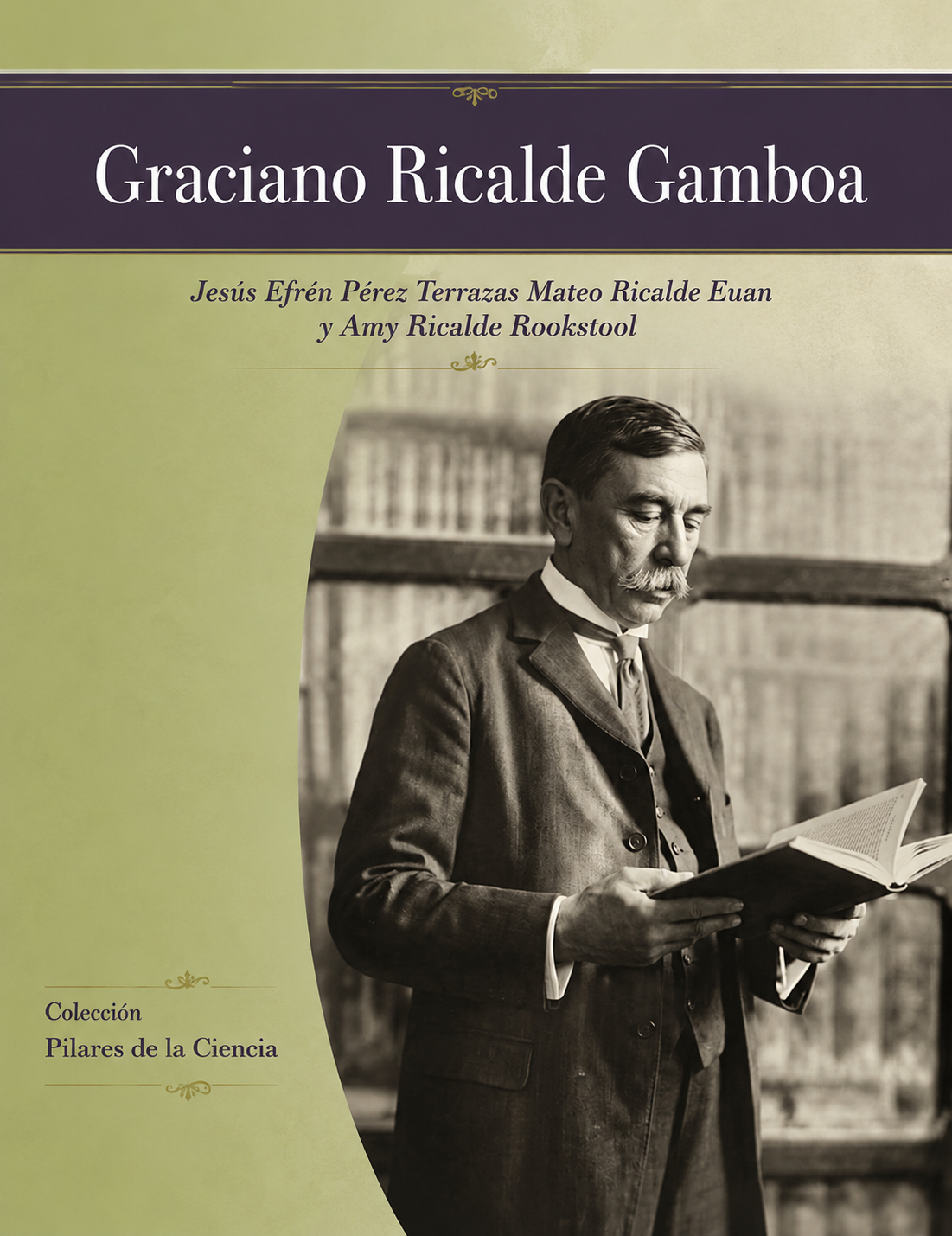
Amy’s background has repeatedly required accuracy, discretion, and historical interpretation where material carries public meaning. It includes auction-house research, work on Lincoln and His Times, family-authorized legacy material connected to Audrey Hepburn, and work involving the Jacqueline Kennedy collection. Earlier Jacqueline Kennedy and Audrey Hepburn lines were carried by museum shops and presidential-library shops, including Smithsonian retail. These experiences matter because the record must remain stronger than the name attached to it.
SELECTED INITIATIVE
Texas–Yucatán Civic Continuity Initiative
The Texas–Yucatán Civic Continuity Initiative examines the long relationship between Yucatán and Texas, the movement of civic ideas across generations, and the ways historical memory continues to shape public understanding long after political rupture.
Rather than approaching history through isolated events, famous names, or decorative lineage claims, the initiative examines how knowledge, leadership, scholarship, institutions, and public memory move through relationship systems over time.
GUIDING PRINCIPLE
Remember the questions, not only the names.
How do institutions carry memory? How do ideas survive migration, archive loss, and change? What responsibilities do families, scholars, institutions, and communities inherit when history remains unresolved?
No single record, institution, discipline, or lineage explains the whole relationship. The work is in understanding how the pieces fit together without flattening what makes each one distinct.
Lorenzo de Zavala is one historically documented Yucatán-to-Texas bridge within that larger field of inquiry. Born near Mérida, he later became a central political figure in the Republic of Texas. His presence is relevant as context, not as a claim that one person explains the larger relationship.
Historical reference: Handbook of Texas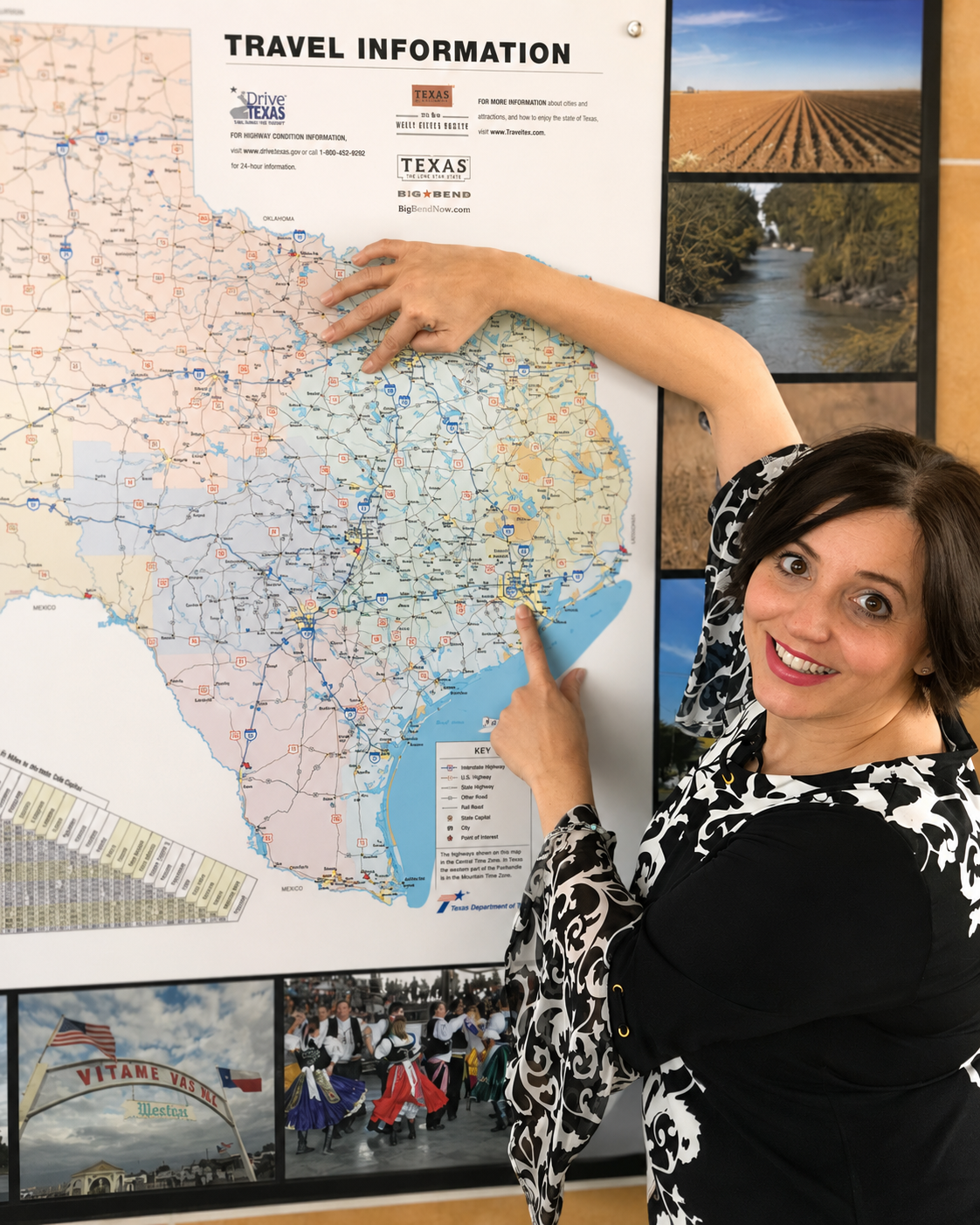
WHAT THIS CAN SUPPORT
Institutions and complex projects.
Translating complex historical material into clearer stewardship and communication decisions.
Clarifying the significance of a dispersed archive or collection
Interpreting relationship systems across people, places, and institutions
Strengthening the evidentiary basis for public-facing historical claims
Supporting exhibition, documentary, publication, or preservation planning
Helping determine whether a larger historical or interpretive project is warranted
Speaking and presentations on Historical Relationship Mapping™, evidence-led historical judgment, public memory, lineage proof, hidden relationship networks, and historical continuity
HOW TO BEGIN
Begin with the question, collection, or problem that needs clarification.
Some collaborations begin with a clearly defined question. Others begin with material whose significance is not yet fully understood or expressed. You do not need to arrive with the scope solved. The first step is to determine what the evidence supports, what remains uncertain, and what kind of work would be most responsible.
Start a Conversation